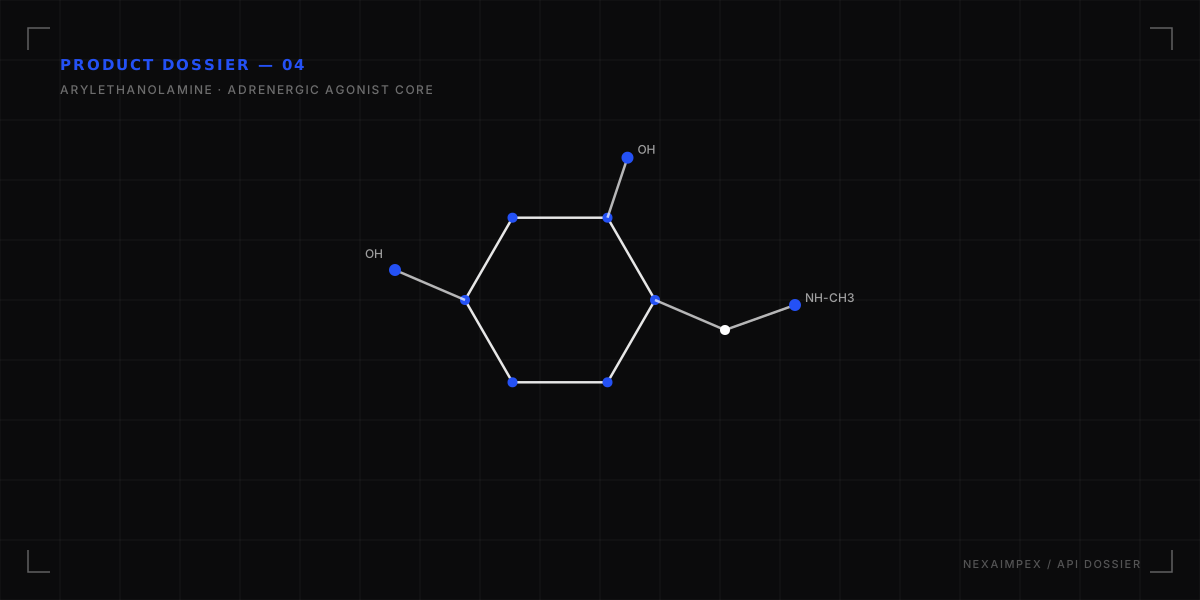
Phenylephrine hydrochloride is a small-molecule alpha-1 adrenergic receptor agonist built on an arylethanolamine core. It's one of the most widely manufactured APIs in the respiratory and cardiovascular categories, though its formulation routes matter more than usual for this molecule — more on that below.
Mechanism of action
As a selective alpha-1 agonist, phenylephrine causes vasoconstriction. Depending on the route of administration, that single mechanism produces very different clinical effects: shrinking swollen nasal mucosa, dilating the pupil, or raising blood pressure during anesthesia.
Where phenylephrine is actually used
- Topical/nasal decongestant — sprays and drops, where local vasoconstriction reduces nasal mucosal swelling directly at the site of action
- Ophthalmic solutions — as a mydriatic agent to dilate the pupil for eye examinations and procedures
- Injectable formulations — used intraoperatively to manage hypotension, particularly during spinal anesthesia
What this means for formulators
Buyers sourcing phenylephrine API today are, in practice, formulating for the routes where the evidence base is strongest — nasal sprays, ophthalmic drops and injectable solutions — rather than oral tablets aimed at systemic decongestant effect. Confirming intended route early avoids downstream regulatory friction, particularly in markets that have moved to reassess oral cold-and-flu combination products.
Sourcing through NexaImpex
NexaImpex supplies phenylephrine hydrochloride API from WHO-GMP compliant manufacturing partners, with COA, MSDS and TDS documentation prepared against pharmacopoeial specification (USP/EP/IP). We support both bulk orders for established formulations and smaller sample quantities for R&D and stability trials.
Get in touch with our team for current specifications, lead times and documentation for your specific formulation route.